Really, long before North Korea fired it's nuke. I do, however find it now ironic that -- hey, we need teachers here in South Korea!
| Nominee | My vote |
| Former | Maybe - unsure |
| New York Senator Hillary Rodham Clinton | No |
| Former vice president Al Gore | No |
| Massachusetts Senator John Kerry | No |
| Delaware Senator Joe Biden | Maybe - unsure |
| Retired general Wesley Clark | Maybe - unsure |
| Democratic National Chairman Howard Dean | No |
| New Mexico Governor Bill Richardson | Maybe - unsure |
| Former | No |
| Wisconsin Senator Russ Feingold | Maybe - unsure |
| Former | Maybe - unsure |
| Ohio Congressman Dennis Kucinich | Maybe - unsure |
| Iowa Governor Tom Vilsack | Maybe - unsure |
| Former | No |
| Secretary of State Condoleezza Rice | No |
| Arizona Senator John McCain | Yes |
| Former speaker of the House Newt Gingrich | No |
| Florida Governor Jeb Bush | No |
| Tennessee Senator Bill Frist | Maybe - unsure |
| Virginia Senator George Allen | Maybe - unsure |
| Vice President Dick Cheney | No |
| New York Governor George Pataki | Maybe - unsure |
| Massachusetts Governor Mitt Romney | Maybe - unsure |
| Arkansas Governor Mike Huckabee | Maybe - unsure |
| Kansas Senator Sam Brownback | Maybe - unsure |
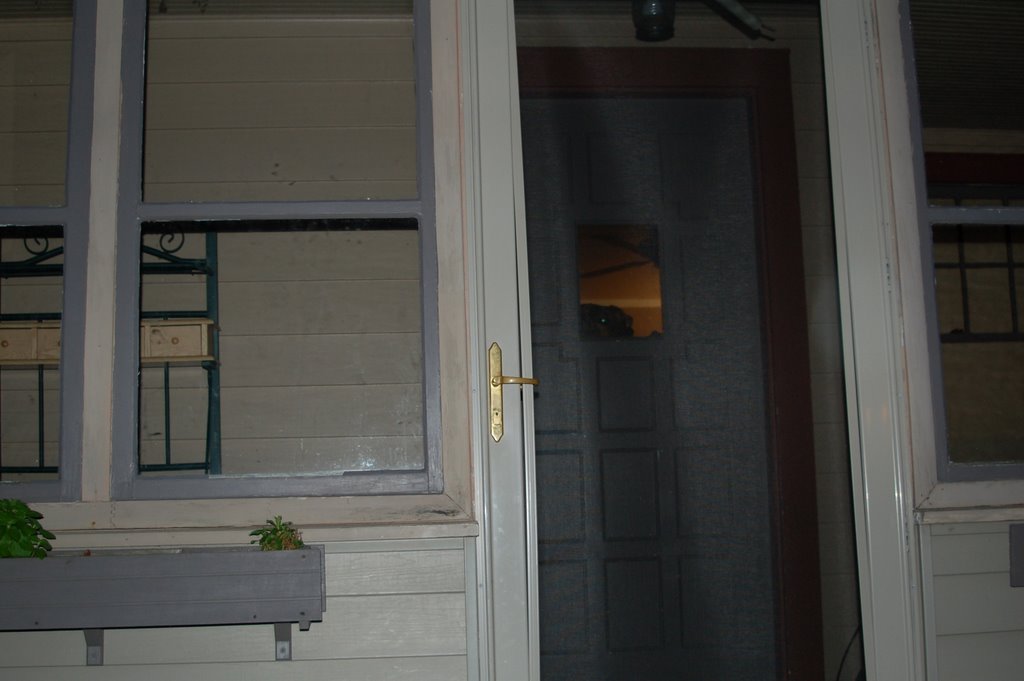
 This is a hospital helicopter ... no one needed for Sunday.
 realistic, my foot!
 Charlie got a bow & arrow set, one arrow broke early
 A loosed arrow into the sofa. I insisted that it never be aimed at the living ("people and puppies")

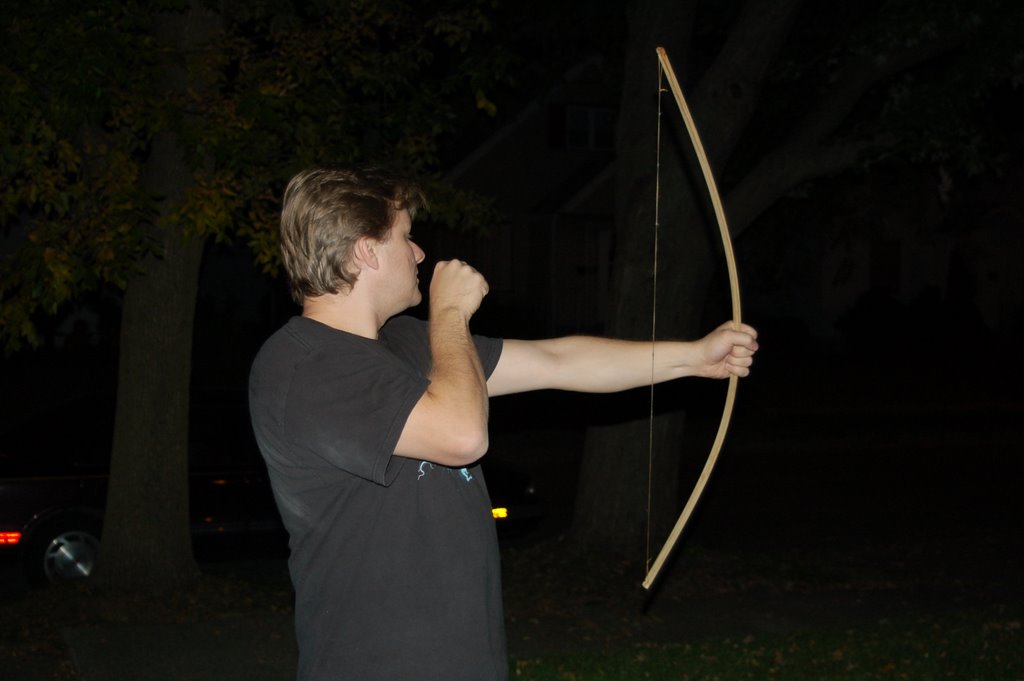
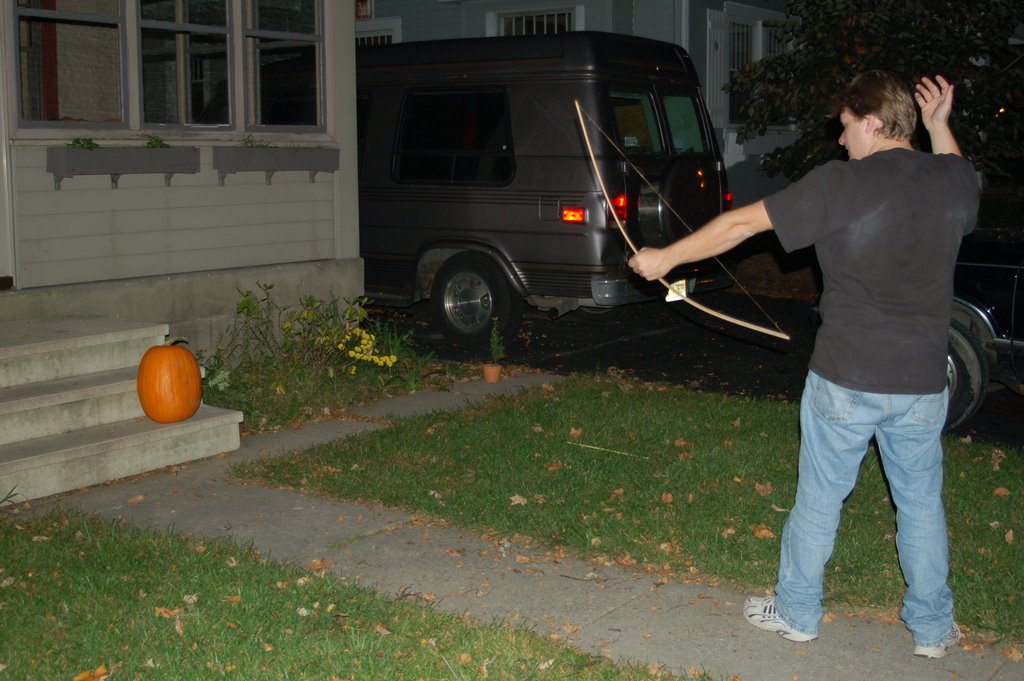

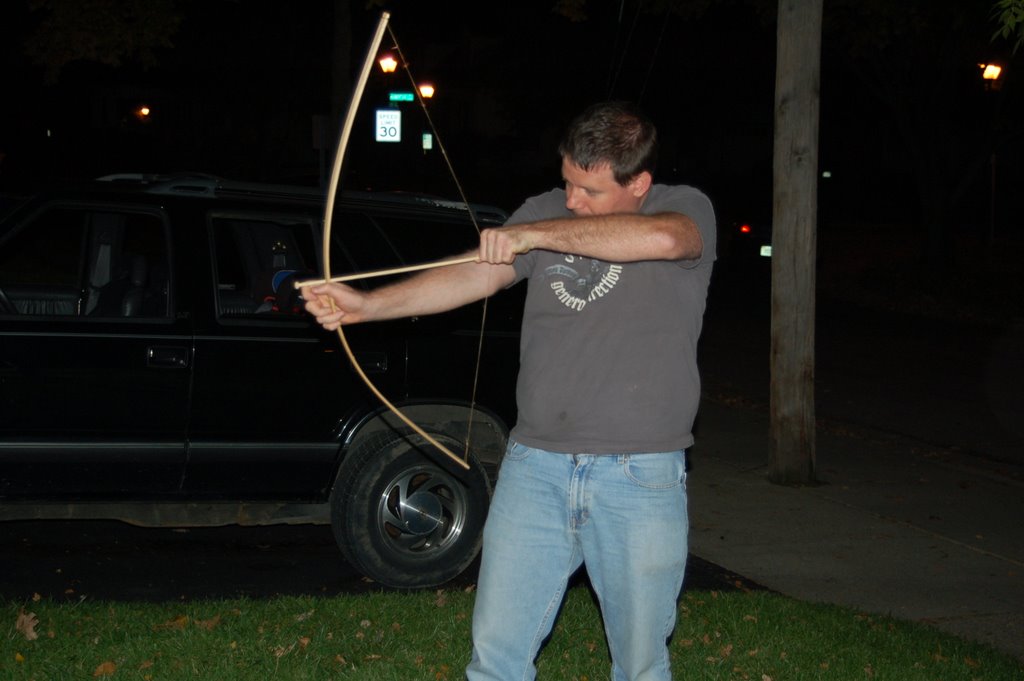 Someone foolishly let this guy have the bow & arrow
State plans to establish protective order registry
From The Associated Press
EVANSVILLE — Indiana plans to use a federal grant to establish a protective order registry, which will link courts to police data to try to ensure information in the orders is entered and available immediately all over the state. Gov. Mitch Daniels and Indiana Supreme Court Chief Justice Randall T. Shephard announced the state has received a $259,000 federal grant to create and fund the plan.
Protective orders sometimes would not be available to law enforcement officials for days, which is “unacceptable and too dangerous to continue,” Shephard said in a news release.
Once the registry is running, copies of new orders that go into the system will be faxed to local law enforcement agencies, ensuring all are immediately aware that a protective or no-contact order has been issued or revoked.
The orders also will be registered with the FBI’s
Candice Perry, the legal advocacy program coordinator for
“I think the majority of people we come in contact with are unsure with how the protective order will really help them,” Perry said. “We try to educate them on what it does and what it doesn’t do.”
Clients often say they have been told the protective order is “just a piece of paper.”
“We are very realistic with them that it is a piece of paper,” said Perry. “But it’s also a first step that gives law enforcement the ability to do much more for them.”
Perry said the new registry could ease concerns some clients have when traveling between counties.
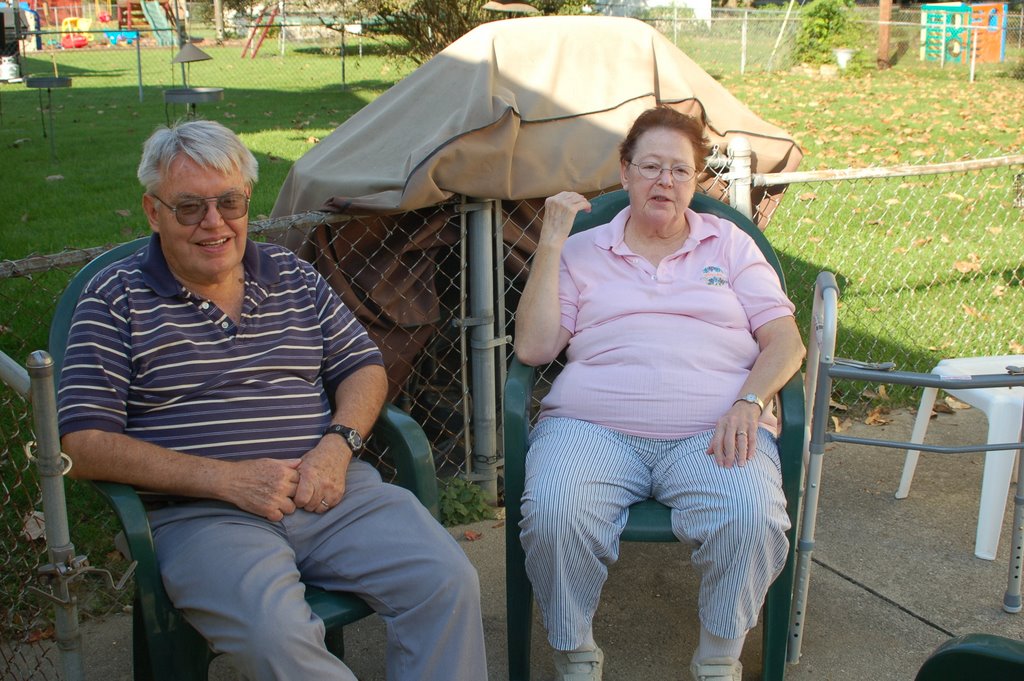 folks resting after a short walk
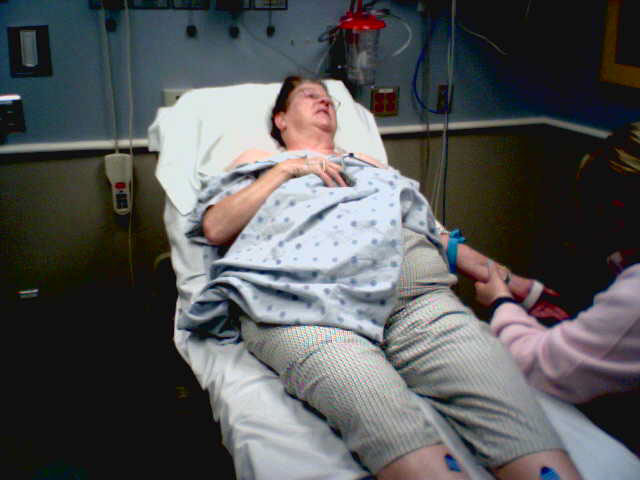 Feeling no pain, Mom gets patches to monitor her heart functions 11 somthing at night at hospital.